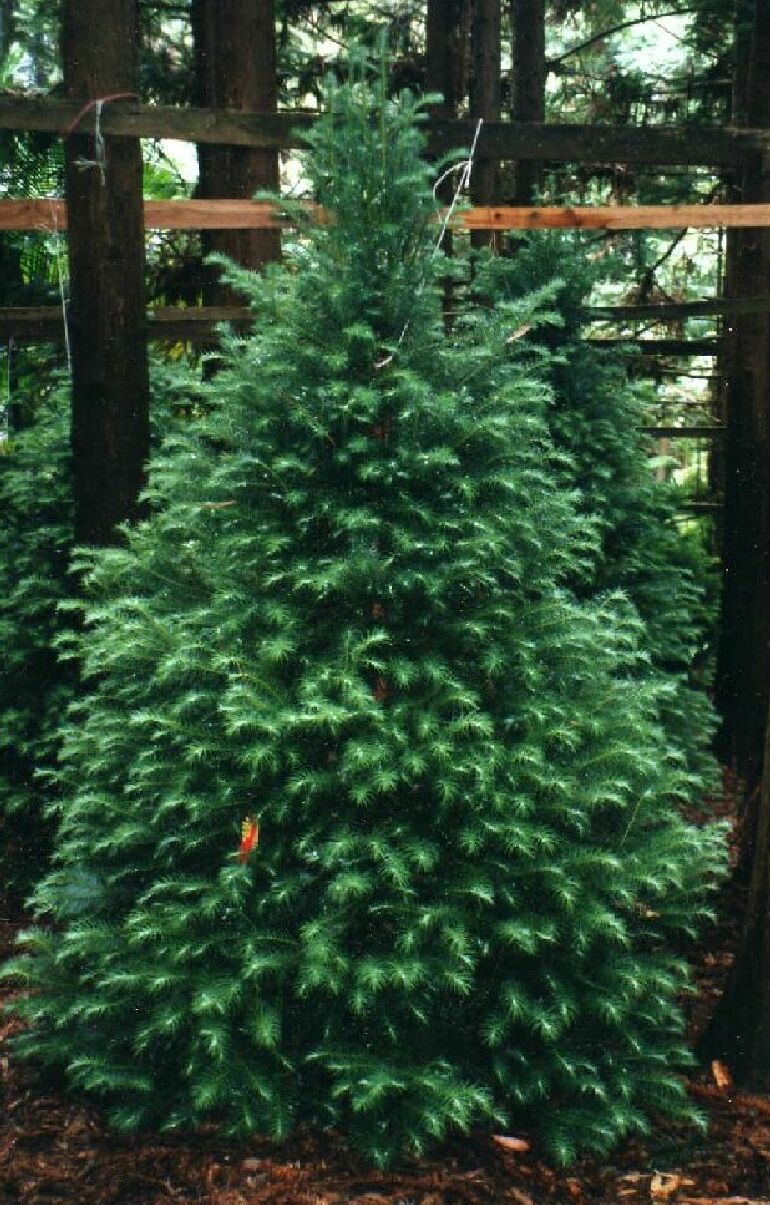
A ‘fancy’ Christmas tree in Brazil - a young "pretty" China Fir ready for delivery - TEXT
| Voltar | Back | Zurueck |

| Voltar | Back | Zurueck |
Voltar Back Zurueck China fir = Cunninghamia
.
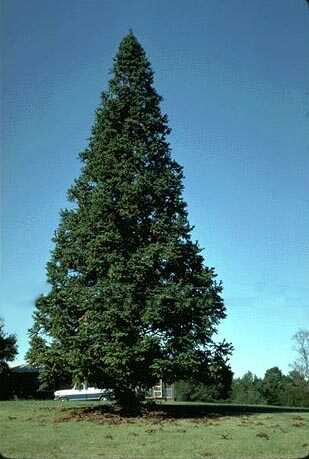
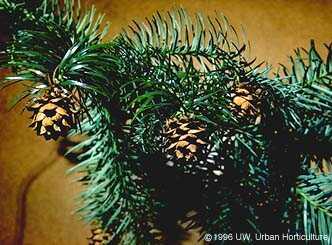
A ‘fancy’ Christmas tree in Brasil,the "Cunninghamia lanceolata” fir, designated also as "China fir", was discovered during the eighteen hundreds in China, by the English botanist J. CUNNINGHAM, hence the incorporation of “SIMENSIS" (coming from China) into its scientific name. In some aspects it resembles the North American "Douglas Fir".
Voltar Back Zurueck Arvore-16-mts-1982-Anhembi.jpg
CUNNINGHAMIA = CHINESE CEDAR or CHINA FIR
( Out of RAINCOAST BOOKS - VANCOUVER ) BOTANICA => ISBN 1551922177
This unusual conifer genus is native to China. The stiff, springy, curved leaves taper to prickly points and have glossy upper surfaces. Dead leaves remain attached to the branches, making the interior of the trees untidy and prickly, but a well grown specimen is among the more attractive conifers. Although quite handsome and not difficult to grow, CUNNINGHAMIA species are found mostly in botanical gardens and larger private collections.
CULTIVATION : Fully frost hardy, they require adequate rainfall and deep, fertile soil. Propagation is normally from seed, though seed set may be poor, or from cuttings.
In São Paulo, Brasil, instead of seeds, tiny seedlings are collected, from OLDEST China fir stands, transplanted to trays, and kept during 1 year-period in a greenhouse, prior to being transplanted to the fields.CUNNINGHAMIA LANCEOLATA: COFFIN PINE, COFFIN FIR, CHINA FIR
In China, where it once had an extensive natural distribution, this tree provided a valued timber for coffins ( it was thought that the aromatic timber prevented bodies from decomposing ), resulting in its over exploitation. Trees of 150 ft (45 meters) tall were recorded there, but in parks and gardens elsewhere it is mainly seen as a tree of 20-40 ft (6-12 meters), some times multi-trunked and widest at the top, sometimes narrower with a single, straight trunk and scattered clumps of lateral branches. The growth rate is likewise unpredictable, and it may remain shrubby for many years.
Voltar Back Zurueck
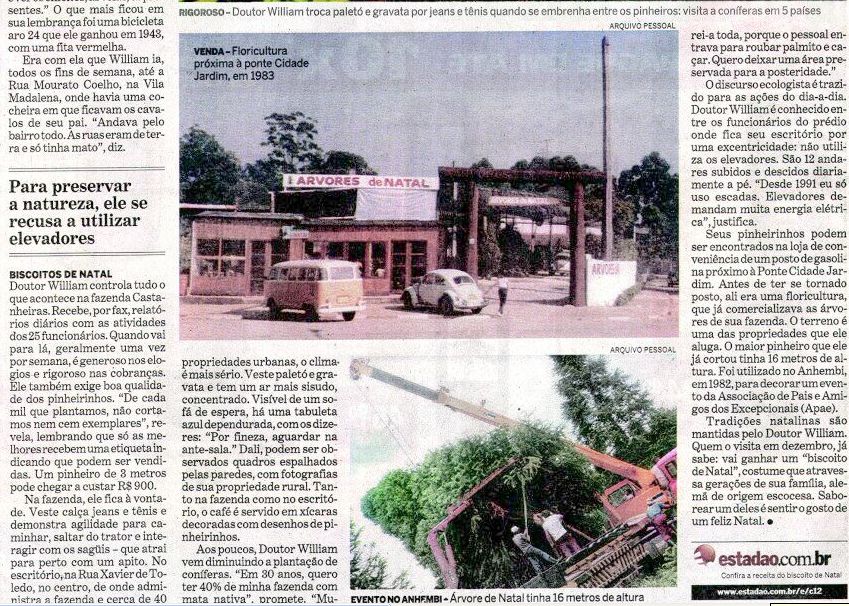
The largest Cunninghamia was sold in 1982 to an event at the ANHEMBI